In the rapidly evolving design landscape, one principle stands out: AI is your partner. By augmenting our natural capabilities, AI helps us work smarter, faster, and better. This partnership is already reshaping design processes and workflows, with certain areas reaping the benefits sooner than others. Specifically, research, ideation, and UI design are experiencing significant impacts from AI integration.
Enhancing Insights and Efficiency
AI's data-processing power revolutionizes research by uncovering patterns and trends in large amounts of user data. This technology supports traditional research methods, offering insights that might otherwise go unnoticed. For instance, AI can organize user feedback, conduct sentiment analysis, and track user behavior, providing a robust foundation for informed decision-making.
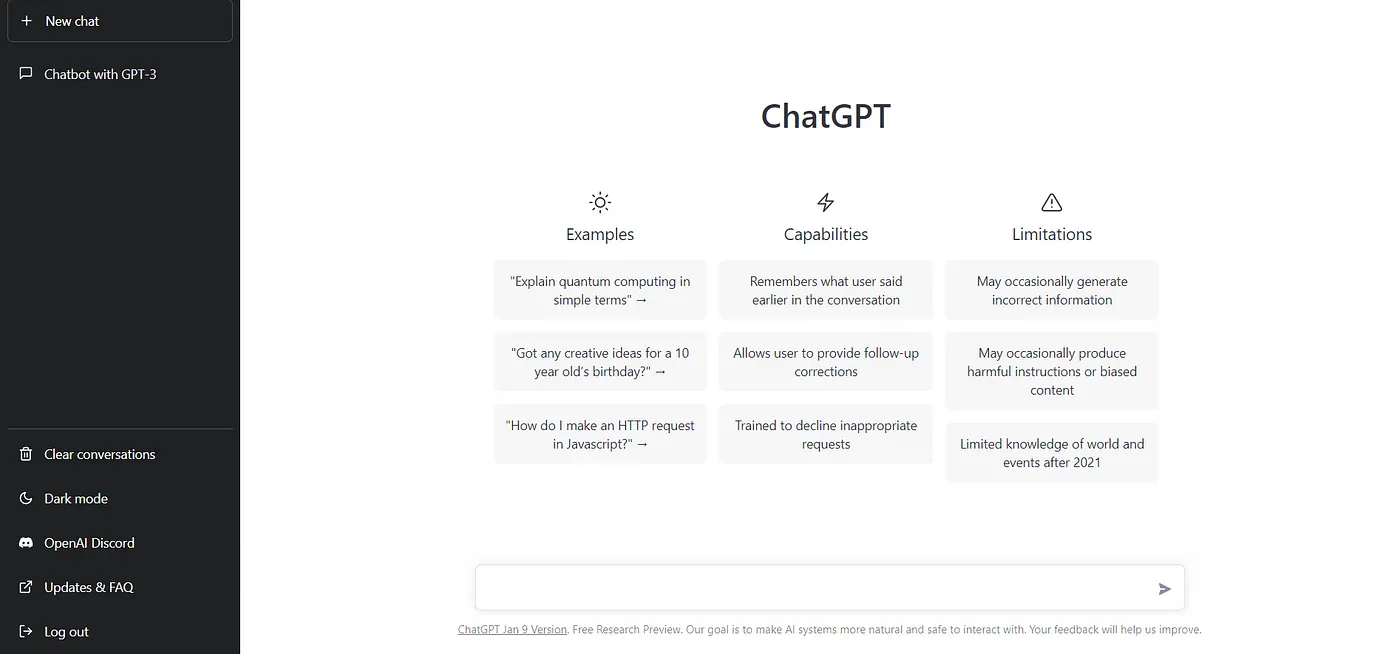
A hybrid model, where humans collaborate with AI, consistently yields the best results. By filling in each other's blind spots and leveraging each other's strengths, we achieve more comprehensive insights. A designer with strong critical thinking skills, for example, can use AI to process large volumes of data, interpret those insights within a broader context, and make complex connections that AI alone cannot.
A New Brainstorming Partner
AI also transforms the ideation phase, acting as a creative partner. It analyzes existing data trends and user behaviors to generate new ideas, enabling a dynamic co-creation process. This AI-driven brainstorming can spark inspiration, helping designers articulate product directions through a human-AI conversation.
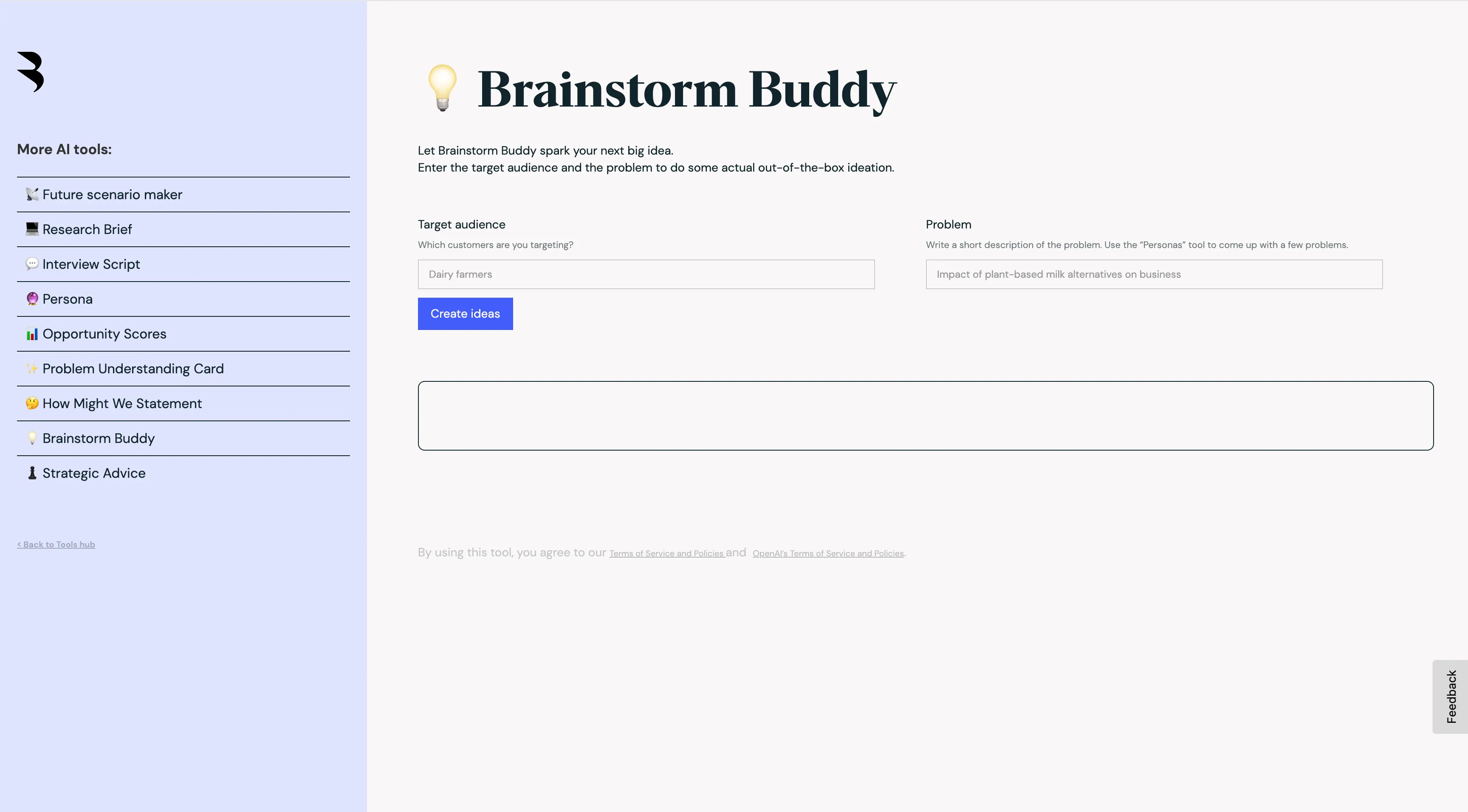
Designers and AI can push the boundaries of innovation when they work together. AI provides a wealth of data-driven suggestions, while human designers refine and contextualize these ideas, ensuring they align with broader design goals and user needs.
Design Automation: Streamlining Processes
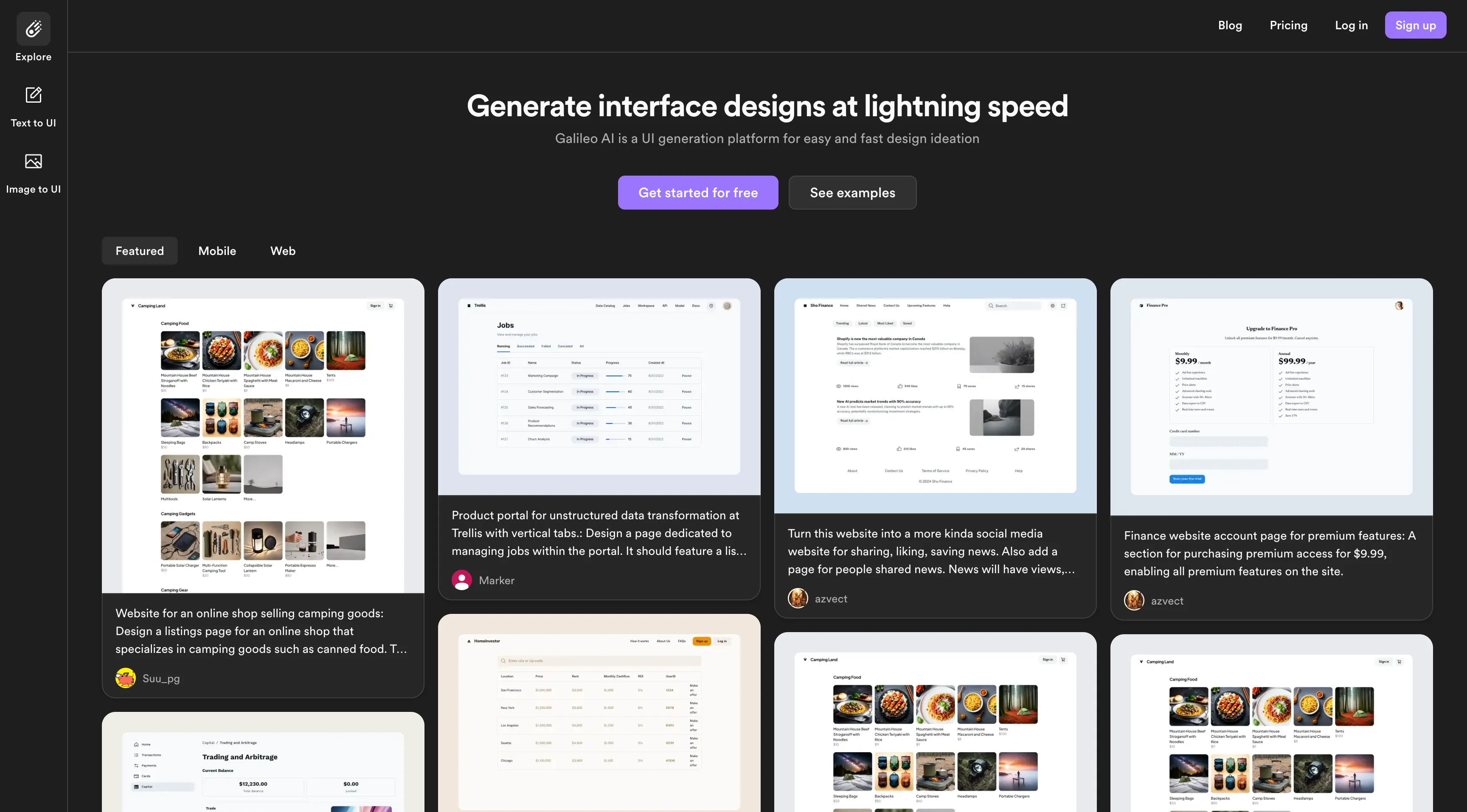
The impact of AI is particularly evident in design automation. AI systems can now handle tasks like producing color palettes, generating mockups, and creating high-fidelity prototypes. Although the quality of results varies, the potential for efficiency gains is immense. As AI technology advances, its role in automating repetitive design tasks will continue to grow, freeing designers to focus on more strategic and creative aspects of their work.
The human-AI synergy
Despite the growing influence of AI, the essential skills and thinking of human designers remain irreplaceable. AI serves as a complement, not a substitute, for human creativity and judgment. By continually refining their skills and leveraging AI as a powerful tool, designers can enhance their capabilities and achieve better outcomes.
In conclusion, AI is emerging as a crucial collaborator in the design process. By embracing this partnership, designers can unlock new levels of efficiency and innovation. As we move forward, the synergy between human designers and AI will drive the future of design, making our work not only smarter but also more impactful.