In the digital age, the terms Customer Experience (CX) and User Experience (UX) have become buzzwords in the realms of design, technology, and marketing. While often used interchangeably, these concepts encompass distinct yet overlapping domains, each with unique characteristics and focus areas. This article delves into the nuances between CX and UX, highlighting their importance and interrelationship.
The evolution of customer experience
In 2000, the concept of Customer Experience Management (CEM) began gaining traction, particularly within e-commerce and Fortune 500 companies. As organizations sought to optimize interactions with their customers, CEM emerged as a critical component of marketing strategies. It encompasses all the touchpoints a customer encounters with a brand, from initial awareness through post-purchase support. This includes aspects such as customer service, brand perception, sales, delivery, and support interactions.
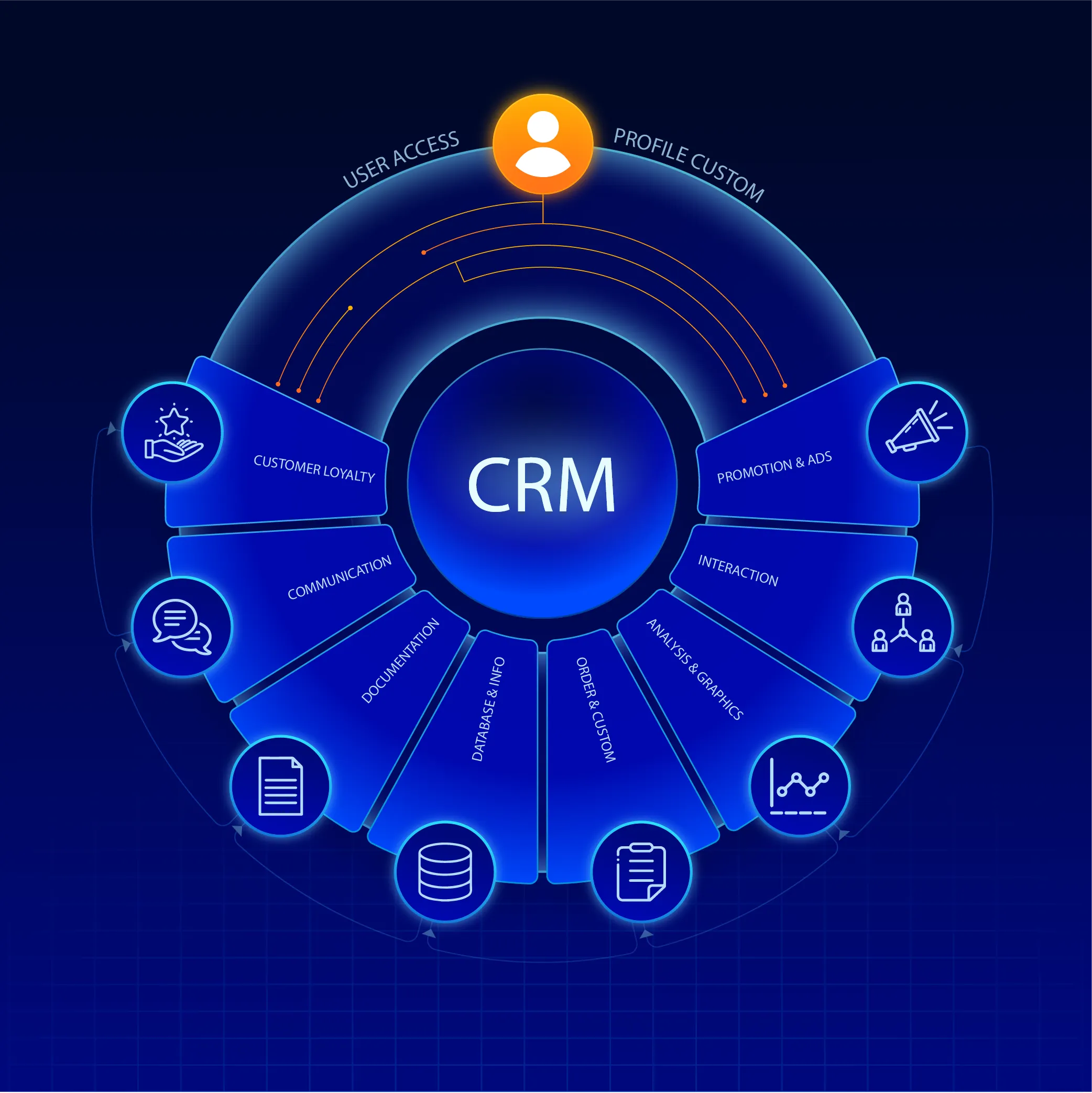
CEM focuses on understanding and managing the customer's holistic journey. It leverages sophisticated technologies like Customer Relationship Management (CRM) systems and Customer Management Systems (CMS) to gain a 360-degree view of customer interactions. Additionally, it includes tools and methods for analytics, such as sentiment analysis and emotional analytics, to gauge customer loyalty, satisfaction, and overall sentiment.
The Realm of User Experience
While the customer experience is broad and service-oriented, it focuses on the user's interaction with a product, service, or interface. Coined by Don Norman, the term "user experience" initially aimed to encompass all aspects of a user's interaction with a company, its services, and its products. However, in practical terms, UX has often been more narrowly associated with the design and usability of digital interfaces, such as websites, mobile apps, VR, AR, and other interactive platforms.
The term User Experience Management (UXM), unlike CEM, lacks widespread recognition and usage. Instead, UX focuses on understanding user needs, mapping touchpoints, and designing intuitive interfaces that enhance usability and satisfaction. Design principles and methodologies like Lean UX and Agile UX, which emphasize consistent delivery of user-friendly and ROI-generating designs, form the foundation of this discipline.
Bridging the Gap: The Intersection of CX and UX
Despite their distinct roles, CX and UX share a fundamental connection. Both involve managing and optimizing the interaction between customers/users and a brand, product, or service. For instance, a seamless UX can significantly enhance the overall CX by ensuring that users can efficiently navigate and use a digital product. Conversely, a poor UX can negatively impact the CX, leading to frustration, dissatisfaction, and even brand abandonment.
To effectively manage both CX and UX, organizations must adopt a holistic approach. This includes:
- Journey Mapping: visualizing the complete customer journey, including all touchpoints, to understand where CX and UX intersect and influence each other.
- Cross-Functional Collaboration: encouraging collaboration between UX designers, product managers, marketers, and customer service teams to create a unified strategy.
- Emotional Design: Integrating emotional design principles to create meaningful and memorable experiences. Don Norman's "Emotional Design" framework, which includes visceral, behavioral, and reflective layers, is particularly relevant. It emphasizes the importance of the user's emotional response, from initial gut reactions to the long-term reflection of their experience.
- User Adoption Lifecycle: Understanding the stages of user adoption, from visual judgment to cognitive and emotional evaluation, and designing experiences that foster habitual use and loyalty.
Conclusion
As the digital landscape continues to evolve, the distinction between CX and UX may blur further, making it essential for businesses to stay agile and responsive to changing user needs and expectations. Companies can craft compelling and comprehensive experiences that drive loyalty, satisfaction, and long-term success.