When designing digital products, we often focus on the average user — the one who represents the majority. However, by examining the extremes of the user spectrum, we can uncover significant insights that have the potential to transform our approach to product development and scaling.
Extreme users, or people who push the limits of a product or have trouble with its most basic features, can show you problems that most people will never see. Designing for these outliers improves inclusivity and leads to innovation that benefits all users.
If you design for the extremes, the middle will take care of itself. — Dan Formosa, Co-founder of Smart Design
Who Are Extreme Users?
Extreme users fall into two key categories:
Power Users
These users are tech-savvy and curious, and they often explore functionalities that go beyond the intended design. They explore a product's limits, uncovering its limitations and pinpointing sophisticated requirements.

Novice or Edge Users
On the other hand, these users don't use technology much or are limited in ways that make it hard to interact with products. Their struggles highlight usability flaws that can go unnoticed by regular users.

Why Are Extreme Users Important?

Focusing on extreme users offers a goldmine of insights that can:
Identify Hidden Pain Points
Power users expose edge-case bugs, while novice users reveal fundamental usability gaps. Addressing these issues improves everyone's overall experience.
Drive Innovation
Extreme use cases often spark ideas for new features or alternative use models. Many groundbreaking product innovations have stemmed from observing how extreme users interact with technology.
Ensure inclusivity and accessibility
Designing for edge users ensures a product caters to a diverse audience. This fits with the idea of universal design, which says that solutions made for extreme users usually work well for most people.
Test Scalability & Robustness
Extreme users test the limits of a system, revealing potential areas for scalability or performance issues. Designing for these scenarios ensures the product can handle high traffic, complex workflows, and varied environments.
The invention of the typewriter was inspired by blind users who needed a way to write letters independently. Designing for the extremes often leads to solutions that change the game for everyone. — Kat Holmes, Author of Mismatch: How Inclusion Shapes Design
How Extreme Users Have Shaped Digital Products
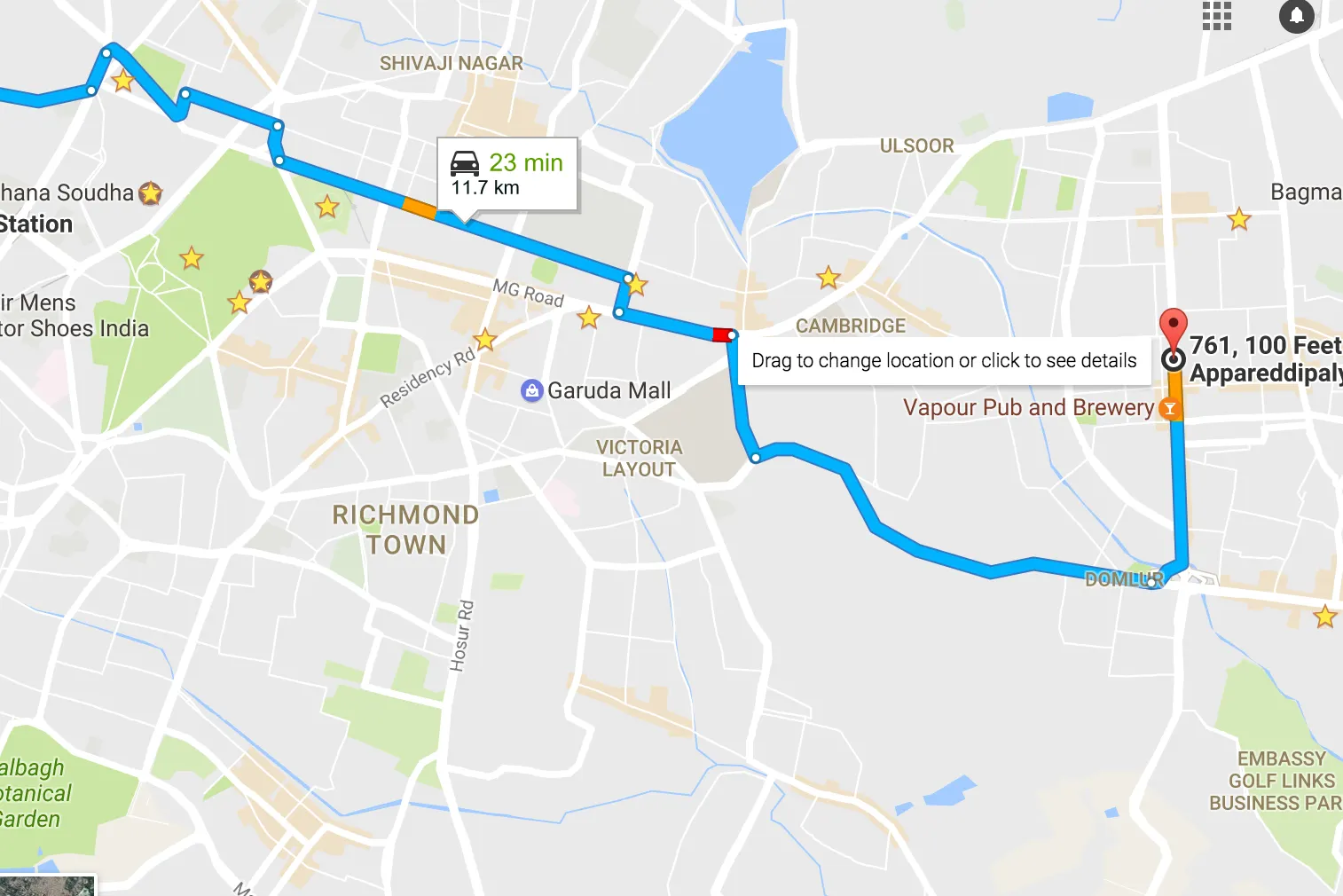
Google Maps and real-time traffic updates
Google Maps evolved by analyzing drivers in congested areas who provided real-time data. Their extreme use led to features like live traffic updates and offline maps — enhancing the app for users in diverse scenarios.
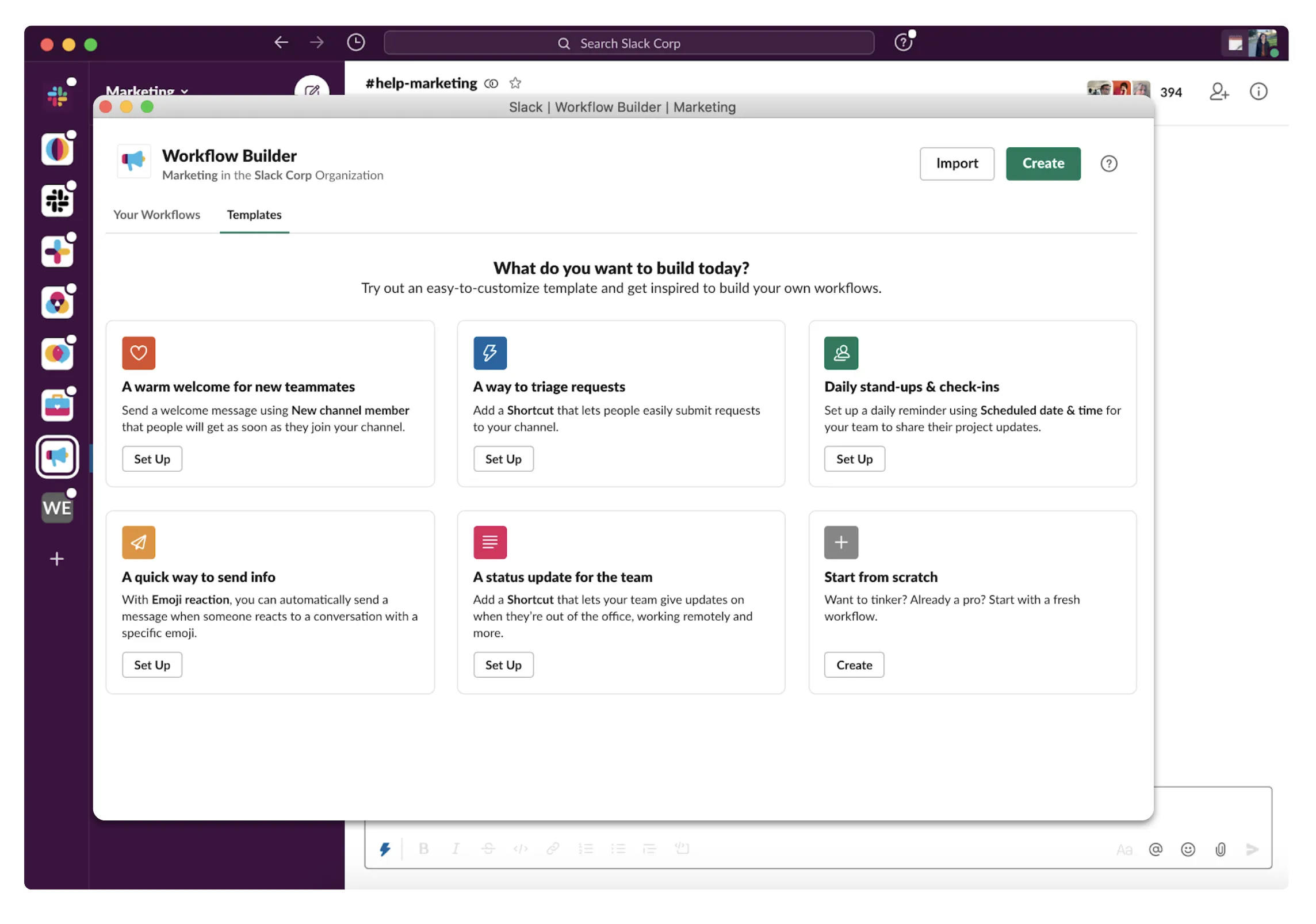
Slack's automation and API enhancements
Slack's power users created bots and integrated third-party tools to automate workflows. Recognizing this trend, Slack introduced the Workflow Builder and API improvements to streamline automation for all users.
Users will always surprise you. The real magic happens when you build a product that evolves based on how people actually use it, not just how you intended them to. — Stewart Butterfield, CEO of Slack
Duolingo's Gamification for Engagement
Duolingo identified extreme users who maintained daily learning streaks and pushed for more engaging experiences. This insight led to gamification features like badges, leaderboards, and reminders, which enhanced retention for all users.

How Extreme Users Influence Future Digital Trends
Hyper-Personalization Through AI
Power users often demand advanced customization, pushing platforms to adopt AI-driven personalization. Over time, these personalized interfaces become standard, benefiting all users.
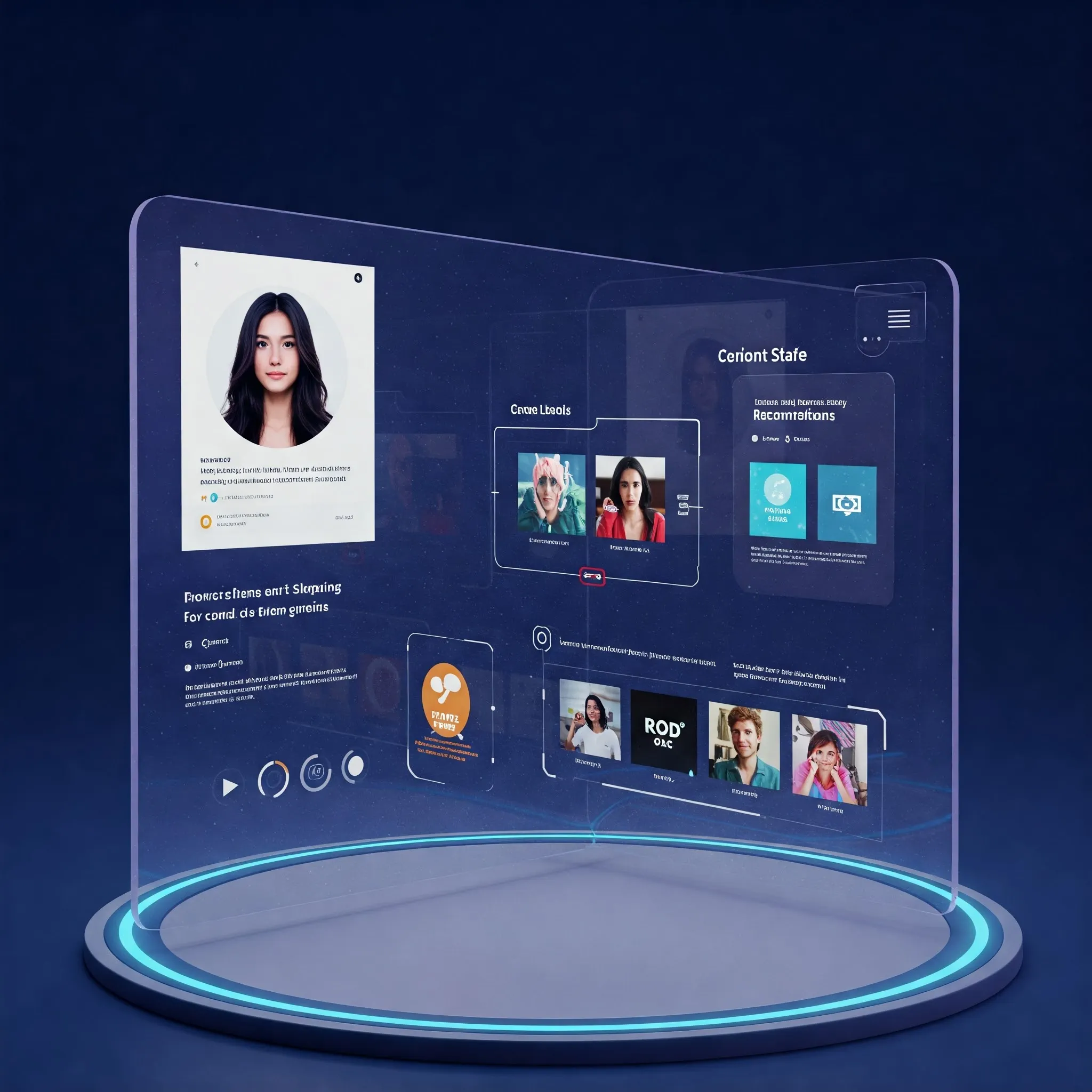
Stronger security and privacy controls
Extremely cautious users have pushed for the use of multi-factor authentication (MFA) and fine-grained permissions. Today, these features are essential for ensuring privacy and trust.

Simplified UX for Broader Adoption
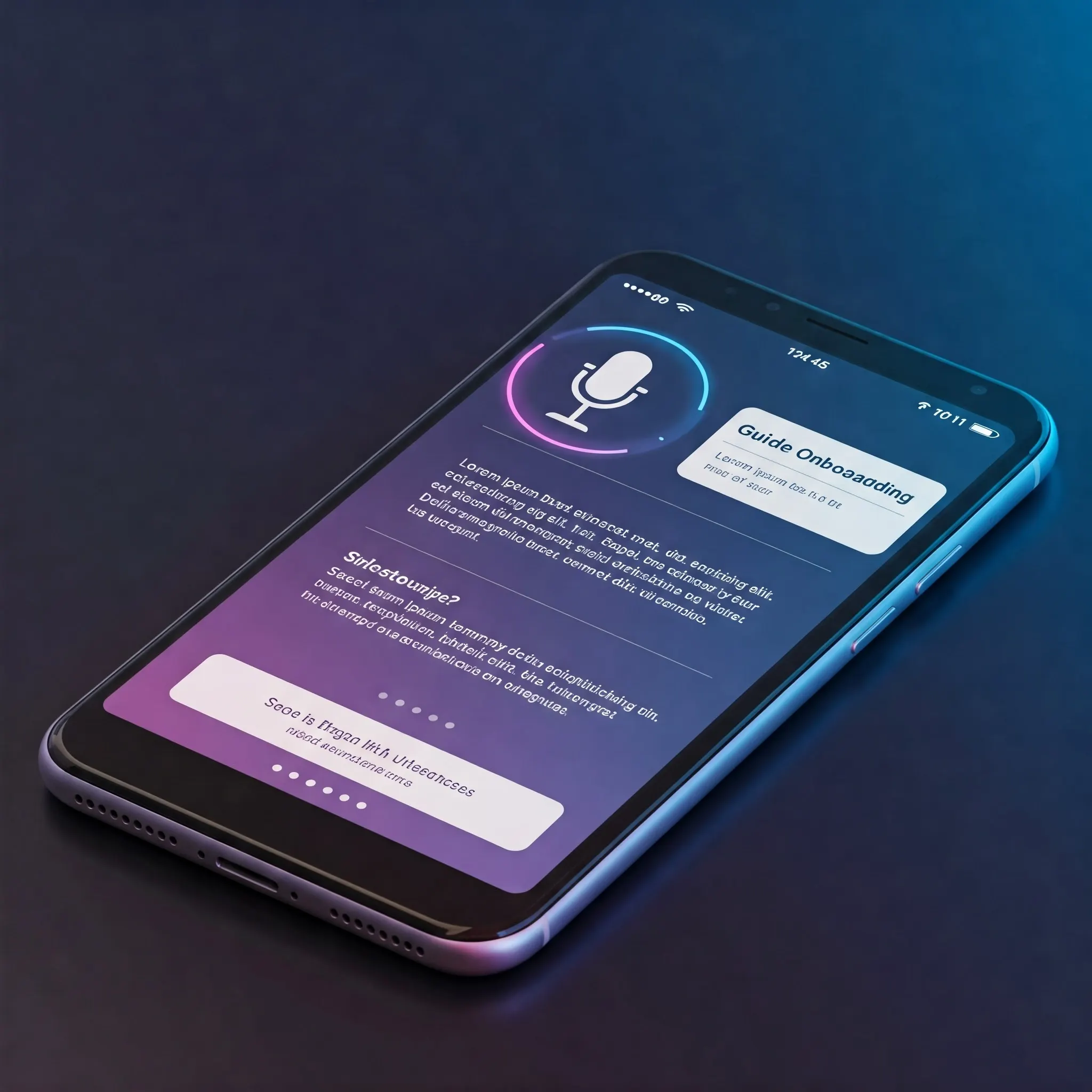
Conversely, edge users have emphasized the necessity for streamlined interfaces. This has led to innovations like guided onboarding, voice navigation, and contextual tooltips — making platforms more inclusive and user-friendly.
When we design for extremes, we not only include those who are often excluded — we improve the experience for everyone. — Cynthia Bennett, Inclusive Design Researcher
Future-Proofing Digital Products with Extreme Users
Designing for extreme users isn't just about addressing niche scenarios — it's about future-proofing digital products. Their different points of view help find growth opportunities, lower design risks, and make sure that digital platforms can keep changing to meet users' needs.
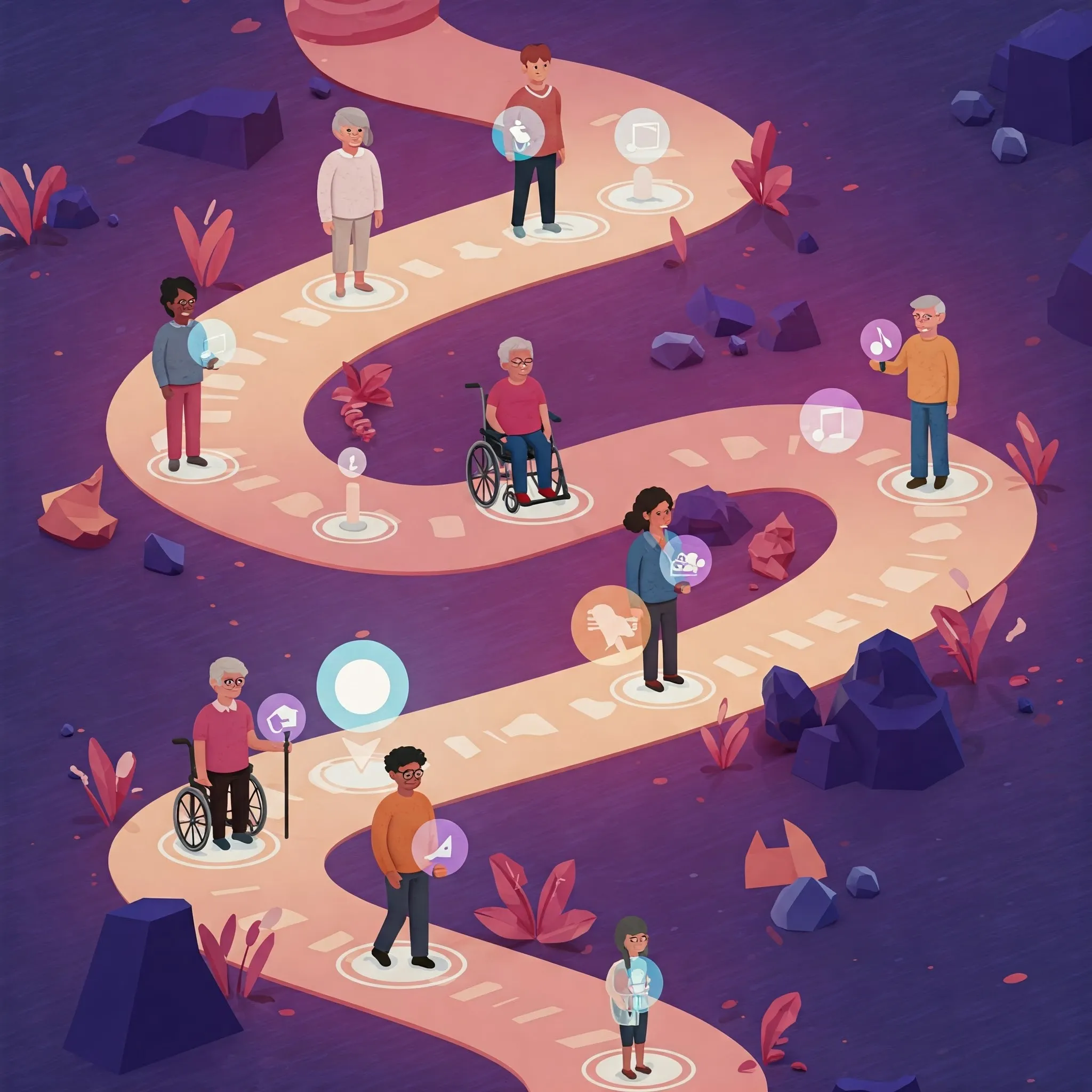
Teams can make products that are resilient, scalable, and open to everyone by working with extreme users. This improves the experience for everyone in the end.
Incorporating Extreme Users into the Design Process

Product teams should do the following to effectively leverage insights from extreme users:
Conduct Deep-Dive User Research
Observe how extreme users engage with the product in real-world scenarios. Power users often expose system limitations, while novice users highlight usability challenges that need simplification.
Map Out Extreme User Journeys
Make detailed user journey maps to find places where users are having trouble, behaviors that aren't expected, and functionality gaps. These insights provide a roadmap for addressing both advanced and basic user needs.
Prototype for edge cases
Go beyond the happy path and design for edge cases. To make a product that is resilient and flexible, you should think about failure scenarios, environments with a lot of users, and limitations on access.
Failing to plan for edge cases is planning to fail. If your product can't handle extremes, it's not ready for the real world. — Jared Spool, UX Thought Leader
Engage Extreme Users in Co-Creation
Involve extreme users in co-design sessions to validate assumptions and refine solutions. Their feedback often reveals overlooked opportunities and helps prioritize high-impact changes.
Final Thoughts: Embracing the Edge for Innovation
Extreme users challenge conventional design approaches, offering a glimpse into the future of digital products. Their unique requirements and actions reveal untapped potential for enhancement and ignite breakthroughs that challenge the limits of what's feasible. As users' needs change, product teams that include extreme users will be in the best position to make digital experiences that are smart, flexible, and ready for the future.
Great design doesn't happen when you cater to the middle. It happens when you design for the edges. — Alan Cooper, Father of Visual Basic
Are you prepared to unlock the future of your product? Start by understanding your extreme users.